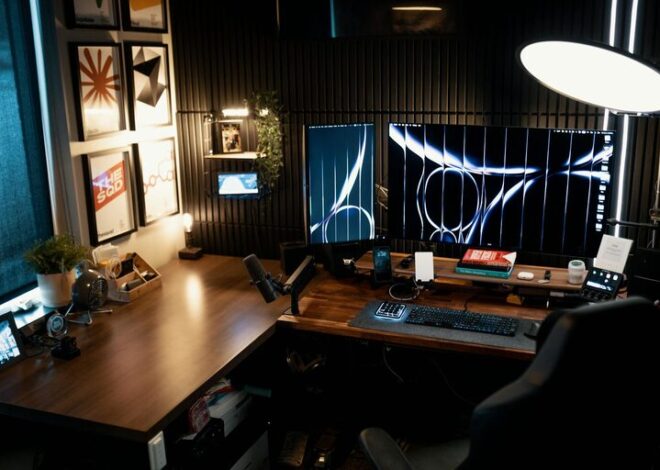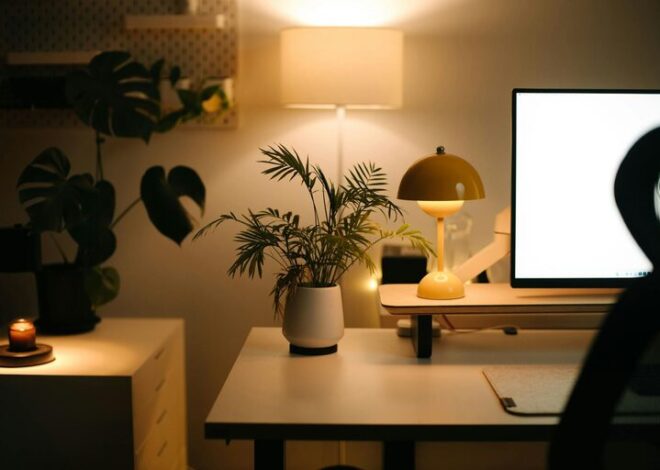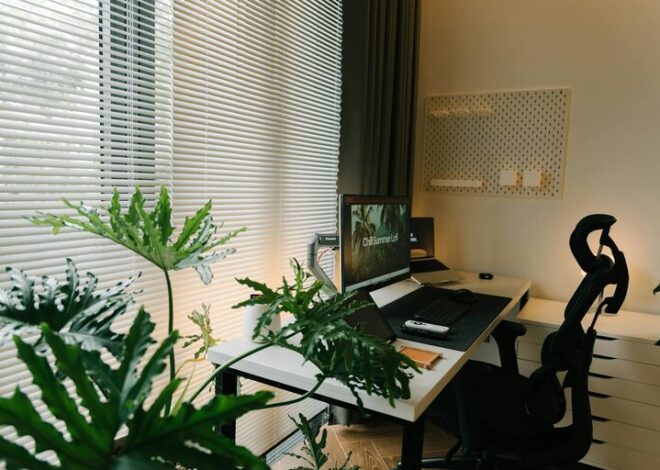

Tips for Creating a Relaxing Home Workspace to Boost Productivity
Creating a relaxing home workspace is essential for maintaining productivity and well-being, especially as more people work remotely or in hybrid settings. A thoughtful and calming environment helps reduce distractions, minimize stress, and foster a sense of focus.
In this post, we explore simple yet effective strategies for designing a home office space that supports both relaxation and productivity.
Why a Relaxing Workspace Matters
Your surroundings have a direct impact on how well you work. A cluttered, noisy, or uncomfortable area can make it difficult to concentrate and cause fatigue. On the other hand, a workspace that feels peaceful and organized encourages mental clarity and motivation.
By intentionally shaping your workspace, you create an environment conducive to productivity without feeling overwhelmed.
Key Elements for a Relaxing Home Workspace
1. Choose the Right Location
– Natural Light: Whenever possible, place your desk near a window. Natural light improves mood and alertness.
– Quiet Area: Select a spot in your home with minimal noise and interruptions.
– Separate from Leisure Spaces: Avoid setting up your workspace in places where you usually relax, like your bed or couch. This separation helps signal to your brain when it’s work time versus rest time.
2. Invest in Comfortable Furniture
– Ergonomic Chair: A supportive chair that encourages good posture reduces physical strain.
– Proper Desk Height: Make sure your desk is at a comfortable height for typing and writing.
– Footrest or Mat: These can reduce pressure on your legs and provide comfort during long hours.
3. Declutter and Organize
– Minimal Essentials: Keep only what you need within reach to avoid visual clutter.
– Storage Solutions: Use shelves, drawers, or organizers to neatly store documents and supplies.
– Regular Tidying: Spend a few minutes at the end of each day straightening your workspace.
4. Use Calming Colors and Decor
– Soft Colors: Shades like light blues, greens, or neutrals tend to be soothing.
– Personal Touches: Add items that inspire you without causing distraction, such as a small plant or an artwork.
– Lighting Choices: Combine overhead lighting with desk lamps that provide warm, adjustable light.
5. Incorporate Nature
– Indoor Plants: Even small plants can boost mood and air quality.
– Natural Materials: Wood, stone, or woven textures bring warmth and comfort.
– Fresh Air: If possible, open windows to keep the air fresh and circulation healthy.
6. Manage Technology and Noise
– Cable Management: Use clips or sleeves to keep cords orderly and out of sight.
– Noise Control: Consider noise-cancelling headphones or white noise machines to block distractions.
– Screen Position: Place monitors at eye level to reduce neck strain and increase comfort.
7. Schedule Breaks and Movement
– Pomodoro Technique: Work for focused intervals (e.g., 25 minutes), then take short breaks.
– Stretching: Stand up and stretch regularly to improve circulation and reduce stiffness.
– Movement Space: Allow a small area for light movement or quick exercises.
Tips for Maintaining Your Relaxing Workspace
– Routine Cleaning: Set a weekly schedule to deep clean your workspace.
– Adapt as Needed: Periodically reassess your setup to make improvements based on your workflow.
– Limit Distractions: Turn off unnecessary notifications and keep personal devices out of reach during work time.
Conclusion
Creating a relaxing home workspace doesn’t require a big budget or professional design skills. With just a few mindful changes, you can build an environment that nurtures productivity and well-being. When your workspace feels inviting and comfortable, you’ll find it easier to focus, stay organized, and enjoy your workday.
Start small today by adjusting your lighting or clearing clutter. Over time, these steps will add up to a workspace perfectly tailored for calm and productivity.