Tips for Creating a Productive Home Office Environment
Working from home has become increasingly common, and having a dedicated, productive home office is essential to maintaining focus and efficiency. Whether you’re a full-time remote worker or occasionally bring tasks home, creating a space that supports your work habits can make a big difference. Here are some practical tips to help you design a productive home office environment.
Choose the Right Location
Selecting the ideal spot for your home office is the first step. Consider the following:
– Quiet and private: Pick a space with minimal distractions and noise to help maintain concentration.
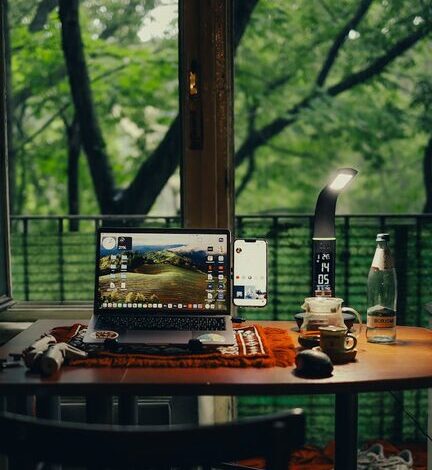
– Natural light: Position your desk near a window if possible. Natural light boosts mood and reduces eye strain.
– Comfortable temperature: Ensure the area has good ventilation and temperature control to keep you comfortable throughout the day.
Even if you don’t have a separate room, a quiet corner that can be dedicated to work will make a difference.
Invest in Ergonomic Furniture
Comfort is key to sustaining productivity during long hours of work. Focus on ergonomic essentials:
– Chair: Use an adjustable chair that supports your lower back and promotes good posture.
– Desk: Choose a desk with enough surface space to organize your work materials without clutter.
– Monitor placement: Position your monitor at eye level to avoid neck strain.
– Keyboard and mouse: Ergonomic models reduce wrist fatigue and encourage comfortable hand positioning.
Taking care of your physical comfort can help prevent aches and improve your focus.
Organize Your Workspace
Clutter can be a major productivity killer. Keeping your workspace tidy helps clear your mind and makes it easier to find what you need.
– Declutter regularly: Remove unnecessary items and keep only essentials on your desk.
– Storage solutions: Use shelves, drawers, and organizers to keep supplies and documents neatly stored.
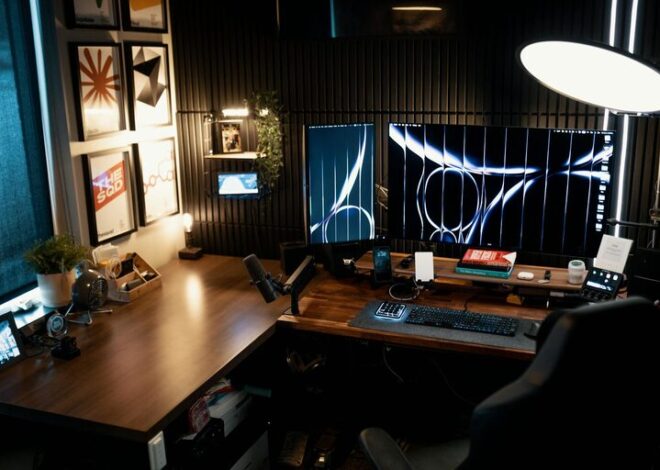
– Cable management: Tidy up wires and cables with clips or tubing to avoid a messy look.
An organized environment reduces stress and streamlines your workflow.
Establish Good Lighting
Lighting impacts your energy, focus, and comfort. Balance natural and artificial lighting:
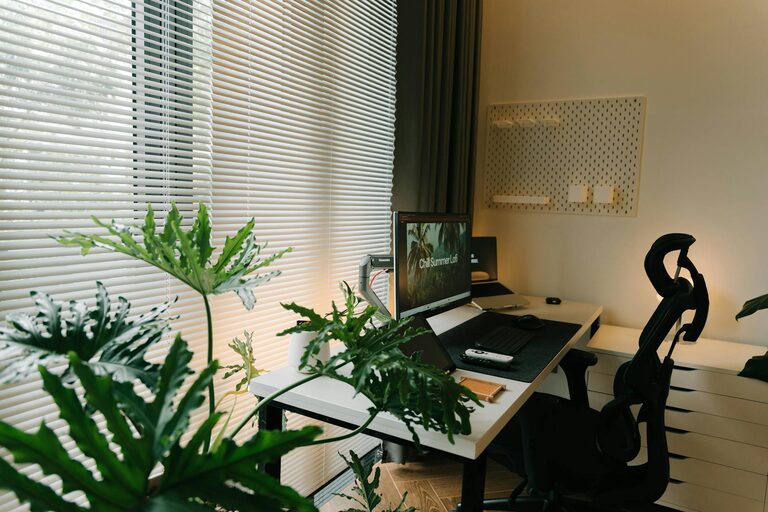
– Maximize daylight: Open blinds and position your desk to take advantage of sunlight.
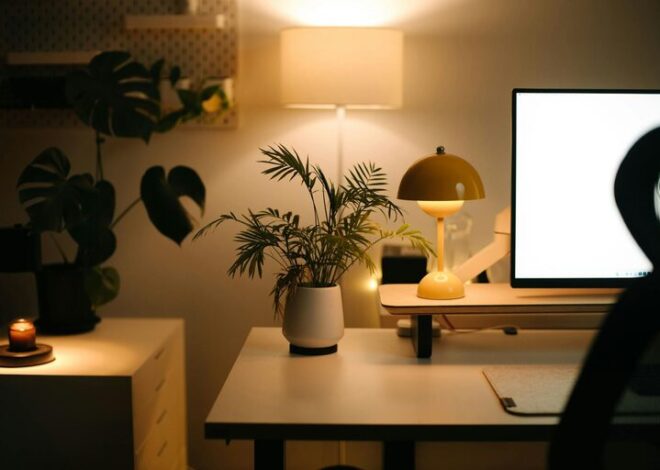
– Task lighting: Use a desk lamp with adjustable brightness to illuminate paperwork and computer work.
– Avoid glare: Arrange screens and lights to minimize glare, which causes eye strain.
Proper lighting supports productivity and reduces fatigue.
Minimize Distractions
Home environments often have potential distractions that can interrupt your work rhythm. Consider these strategies:
– Set boundaries: Communicate your work hours to family or housemates and request minimal interruptions.
– Use noise control: Noise-cancelling headphones or white noise machines can help mask background sounds.
– Limit digital interruptions: Turn off non-work notifications or use apps to block distracting websites during work hours.
Minimizing distractions helps you maintain focus and complete tasks efficiently.
Personalize Your Space
Adding personal touches to your home office can boost motivation and comfort.
– Decorate thoughtfully: Incorporate a few meaningful photos, plants, or artwork that inspire you.
– Keep it simple: Avoid overcrowding the space with too many decorations that might cause distraction.
– Use calming colors: Soft, neutral tones create a peaceful atmosphere, while brighter accents can energize you.
Personalization makes your workspace inviting and encourages positive work habits.
Maintain a Healthy Work Routine
Your environment includes not just the physical space but also how you use it daily.
– Take breaks: Step away from your desk regularly to stretch and rest your eyes.
– Stay hydrated and nourished: Keep water and healthy snacks nearby to maintain energy.
– Establish rituals: Start your workday with a routine to get into the right mindset, such as organizing your desk or reviewing your to-do list.
A healthy routine complements your workspace and promotes sustained productivity.
Utilize Technology Wisely
Technology is a powerful tool but can also contribute to distraction if not managed properly.
– Choose reliable equipment: Ensure your computer, internet, and peripherals work well to avoid frustrating interruptions.
– Use productivity apps: Tools for task management, time tracking, and communication can organize your workflow.
– Set boundaries: Schedule ‘do not disturb’ periods to focus on deep work without digital interruptions.
Smart use of technology enhances your work experience without overwhelming you.
Keep It Flexible
Work demands can shift, so design a home office that adapts to your needs.
– Adjustable furniture: Consider sit-stand desks or movable chairs to vary your posture.
– Modular storage: Use shelves or bins that can be rearranged as needed.
– Multi-purpose space: If your home office doubles as a guest room or hobby area, use folding screens or furniture to create separation.
Flexibility ensures your workspace stays functional and comfortable over time.
—
Creating a productive home office environment involves thoughtful planning and regular maintenance. By focusing on comfort, organization, lighting, and personal touches, you can design a space that supports your work goals and well-being. Remember that your home office should serve you—feel free to adjust your setup as you discover what works best for your productivity and happiness.