
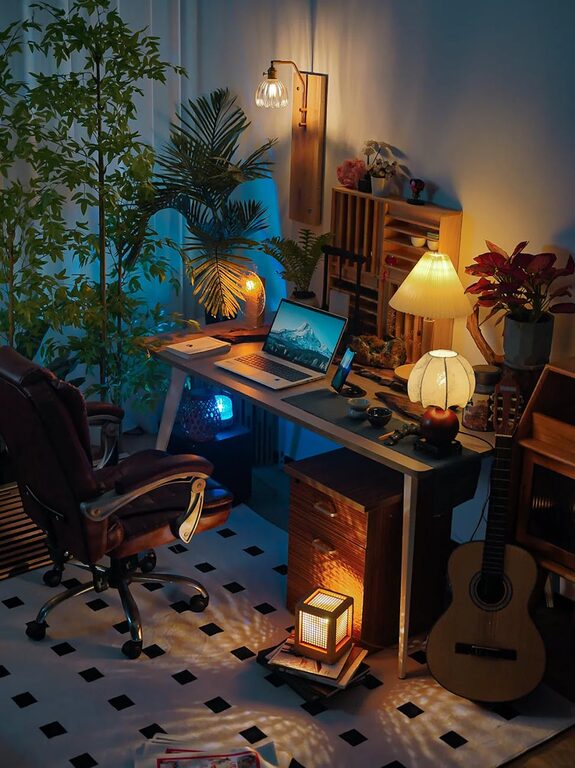
Tips for Creating a Cozy and Inviting Home Workspace
Creating a cozy and inviting home workspace is essential for staying comfortable and motivated throughout your workday. Whether you’re working remotely, freelancing, or simply need a dedicated area for tasks, your workspace should feel welcoming and help you focus. Here are some practical tips to help you design and set up a cozy, productive home workspace.
Choose the Right Location
Consider Natural Light
Whenever possible, select a spot with plenty of natural light. Sunlight can improve your mood and energy levels, making it easier to stay alert. Try to position your desk near a window, but avoid glare on your computer screen by adjusting curtains or blinds.
Minimize Distractions
Pick a quiet area where interruptions are minimal. This might be a spare room, a corner of the living room, or even a closet transformed into an office nook. The key is to create a distinct boundary between work and leisure spaces.
Invest in Comfortable Furniture
Ergonomic Chair and Desk
Comfort is critical when you spend long hours at your desk. Choose an ergonomic chair that supports your back and encourages good posture. Your desk should be the right height to avoid strain on your wrists and shoulders.
Personalize with Cushions and Throws
Adding a soft cushion to your chair or a cozy throw nearby can make your workspace more inviting. These small touches provide comfort and warmth, especially during colder months.
Optimize Lighting
Layer Your Lighting
In addition to natural light, use a combination of overhead lights, task lighting, and ambient lamps. A desk lamp with adjustable brightness lets you focus light on your work area without harsh glare.
Warm Bulbs for Warmth
Choose bulbs with warm tones instead of cool white for a softer, more relaxing atmosphere. Warm lighting can reduce eye strain and make your workspace feel inviting.
Organize and Declutter
Keep Essentials Handy
Use organizers, shelves, or drawers to keep your supplies tidy and within reach. A clutter-free desk aids concentration and creates a peaceful environment.
Add Storage Solutions
If you tend to accumulate papers or office tools, consider storage boxes or filing cabinets. Labeling storage containers can help you find things quickly and keep your area orderly.
Add Personal Touches
Use Inspiring Decor
Include items that inspire you, such as artwork, photos, or motivational quotes. Personalizing your space helps create a positive mindset and makes the area feel uniquely yours.
Incorporate Plants
A touch of greenery adds vibrancy and can improve air quality. Choose low-maintenance plants like succulents or pothos that thrive in indoor environments.
Control Temperature and Air Quality
Keep Comfortable Climate
Ensure your workspace is neither too hot nor too cold. Use fans, heaters, or open windows to regulate temperature and maintain comfort throughout the day.
Improve Air Circulation
Fresh air helps maintain alertness and well-being. If possible, occasionally open a window or use an air purifier to keep the air clean and fresh.
Design for Focus and Relaxation
Set Boundaries for Work Time
Designate your workspace as an area for work only. Avoid using it for leisure activities to maintain clear boundaries and help your brain associate this spot with productivity.
Create a Relaxation Zone Nearby
If space permits, add a small comfy chair or cushion where you can take short breaks. Stepping away from your desk to stretch or relax can boost creativity and reduce stress.
Use Technology Smartly
Manage Cables
Keep cords organized using cable clips or sleeves. A tidy desk with hidden cables looks neater and reduces distractions.
Upgrade Equipment Thoughtfully
Invest in tools that improve your workflow, such as a good-quality keyboard, mouse, or headphones. Comfortable, efficient equipment makes working easier and more enjoyable.
Keep it Flexible
Adjustable Furniture
Consider furniture that can adapt to different activities, like a sit-stand desk or a monitor arm. Flexibility in your setup can help prevent discomfort and support varying work styles.
Plan for Growth
Design your workspace so it can evolve with your needs. Leave room for additional storage, extra lighting, or new equipment as your work habits change.
—
By thoughtfully planning your home workspace with these tips, you can create a cozy, inviting environment that supports comfort and productivity. Remember, your workspace should reflect your preferences and needs, making it a place where you enjoy spending your time. Happy decorating!
